
Concrete Admixtures: How They Work and Why Quality Matters
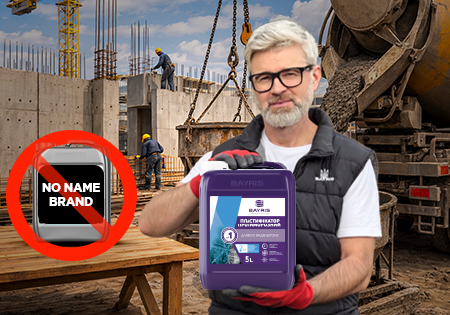
Concrete is the foundation of virtually every construction project — from private house foundations to major infrastructure developments. Its durability depends not only on cement, sand and aggregate, but also on properly selected concrete admixtures.
Today, plasticisers and other chemical admixtures are used in almost all concrete applications. They improve workability, increase strength and make concrete easier to place and compact.
However, alongside products from reputable manufacturers, the construction chemicals market also offers low-cost or unknown admixtures that may create serious risks for the structure.
In this article, we will look at:
-
how do concrete admixtures work?
-
what are the risks of cheap plasticisers?
-
how can you identify a quality product?
-
what should you check before buying?
What Are Concrete Admixtures and Why Are They Used?
Concrete admixtures are specialised chemical components added to concrete mixes to modify their properties.
The most common types include:
| Type of Admixture | Purpose |
|---|---|
| Plasticisers | improve the workability of concrete mixes |
| Superplasticisers | significantly reduce the water-cement ratio and increase strength |
| Anti-Freeze Admixtures | allow concrete work to be carried out at low temperatures |
| Set Accelerators | speed up concrete strength development |
| Air-Entraining Admixtures | improve frost resistance and long-term durability of concrete and mortars |
When used correctly, admixtures can:
-
reduce the amount of water required in concrete
-
increase structural strength
-
improve placement and handling of the mix
-
reduce the risk of cracking
-
increase the durability of concrete.
This is why admixtures are widely used:
-
when casting foundations
-
in concrete screeds
-
during the manufacture of precast concrete products
-
in masonry and rendering mortars.
Why Can Cheap Admixtures Cause Serious Problems?
At first glance, a plasticiser may appear to be just a simple liquid. For this reason, many buyers choose a product based solely on price.
In reality, however, an admixture interacts with cement at a chemical level, making its composition and quality critically important.
Main Risks of Low-Cost Admixtures
| Problem | Consequence |
|---|---|
| unknown composition | unpredictable performance in concrete |
| incorrect proportions | reduced strength |
| impurities in water | efflorescence on concrete |
| inconsistent formulation | varying results between batches |
| low concentration | higher admixture consumption |
As a result, concrete may:
-
lose strength
-
crack
-
crumble
-
deteriorate more quickly when exposed to frost and moisture.
An Important Factor — Water Quality in Production
One often overlooked but highly important factor is the water used in the manufacture of admixtures.
Professional manufacturers use systems for:
-
purification
-
softening
-
water treatment.
Ordinary chlorinated tap water or water from uncontrolled sources may contain:
-
salts
-
minerals
-
impurities
which can affect the chemical processes that take place within concrete.
If the water contains elevated levels of iron (Fe) or salts, particularly sodium chloride (NaCl), it may negatively affect the durability of concrete structures.
Iron in water can react chemically with components of the cement matrix, sometimes causing staining, uneven colouring or localised surface defects. However, a far greater concern is the presence of additional salts, particularly chlorides (very often found in low-cost admixtures), which can accelerate corrosion of steel reinforcement within concrete.
Chlorides break down the natural protective layer that forms on reinforcing steel in the alkaline environment of concrete. As a result, the steel begins to oxidise and corrode, which over time may lead to cracking of the concrete, delamination of the protective cover and a reduction in structural strength.
This is why professional manufacturers of construction chemicals implement strict water treatment and quality control procedures, while the use of salts or random impurities in formulations is carefully monitored.
When low-quality admixtures are used, problems such as efflorescence on concrete surfaces or on façades during masonry and rendering work may also occur.
Why Do Cheap Admixtures Sometimes Cost More?
Another common issue is dosage.
Low-cost admixtures often contain a lower concentration of active ingredients.
This means that to achieve the desired effect, you may need:
-
more admixture
-
more mixing time
-
more adjustments to the concrete mix design.
As a result, the apparent savings often disappear.
Characteristics of a Quality Concrete Admixture
Before making a purchase, it is worth considering several important factors.
Checklist for Builders and Contractors
✔ the manufacturer has proven market experience
✔ products are manufactured at a certified production facility
✔ there is laboratory quality control
✔ the manufacturer uses consistent formulations
✔ packaging includes anti-counterfeit protection
✔ products are sold through authorised distributors
If even a few of these points raise concerns, it is usually better to choose a different product.
The Risk of Counterfeit Construction Chemicals
Another issue is counterfeit products.
In some cases, dishonest manufacturers copy the packaging design of well-known brands in an attempt to sell imitations as genuine products.
Such cases have also been reported in the Ukrainian concrete admixtures market.
This is why responsible manufacturers implement additional levels of packaging protection.
For example, BAYRIS products feature:
-
containers in an exclusive colour
-
embossed logos on the packaging
-
branded caps
-
special 3D labels.
These features make counterfeiting significantly more difficult.
How Modern Admixture Manufacturers Operate
The production of high-quality construction chemicals is a complex technological process.
Modern manufacturing facilities use:
-
optical fill-level inspection systems
-
laboratory testing
-
raw material quality control.
For example, modern production lines can manufacture hundreds of tonnes of products each month while maintaining precise control over formulations.
The Manufacturer’s Experience Matters
Another important factor is the length of time a company has been operating in the market.
Manufacturers with many years of experience build up:
-
practical experience in admixture applications
-
technical expertise
-
the trust of industry professionals.
For example, BAYRIS concrete admixtures have been manufactured since 2007. Over the years, the brand’s products have become widely used not only in private construction projects but also throughout the professional sector.
The admixtures are used:
-
at concrete batching plants
-
in the production of precast concrete products
-
by construction companies
-
in private construction projects.
The company also operates in accordance with the ISO 9001:2015 quality management system, demonstrating consistency in manufacturing processes and quality control.
FAQ — Frequently Asked Questions About Concrete Admixtures
Can concrete be made without a plasticiser?
Yes, it can. However, the quality of the concrete will often be lower. A plasticiser helps reduce the amount of water required and increases the strength of the mix.
Can I add more plasticiser to achieve a better result?
No. Overdosing can actually have a negative effect on concrete performance. Always follow the manufacturer’s recommendations.
Why does efflorescence appear on concrete?
Efflorescence can occur due to salts present in water, cement, admixtures or other components of the mix. Using high-quality materials and following proper construction practices helps minimise this risk.
Can cheap admixtures damage concrete?
Yes. An unstable composition or incorrect formulation can result in reduced strength and the development of defects within the concrete.
Conclusion
Concrete admixtures are an important part of modern construction. They have a significant impact on the strength, durability and workability of concrete mixes.
However, trying to save money on such products can lead to serious problems in the future.
When choosing concrete admixtures, it is worth paying attention to:
-
the manufacturer's reputation
-
production certification
-
consistency of formulations
-
anti-counterfeit protection
-
proven application experience.
Construction is an investment that should last for decades, which is why the reliability of materials should always remain a priority.