
Winter Masonry Work: How to Build Safely in Freezing Temperatures
09.12.2025
Masonry work at low temperatures is one of the most challenging tasks in construction. Bricks and mortar lose heat quickly, water in the mix freezes, and the masonry may lose strength before the mortar has had time to set.
Main Challenges of Winter Masonry
- damage to the mortar structure caused by freezing water
- poor bonding between bricks and mortar joints
- reduced masonry strength
- cracking after thawing
Rules for Winter Masonry Work
- Minimum cement content: 270–300 kg/m³.
- Do not use frozen aggregates.
- Use heated water; the temperature of the concrete mix should be ≥ 10 °C.
- Thoroughly remove snow and ice from formwork, reinforcement and shuttering before starting work.
- At temperatures < –5 °C, protect fresh masonry with insulation materials or electric heating.
How to Work Correctly
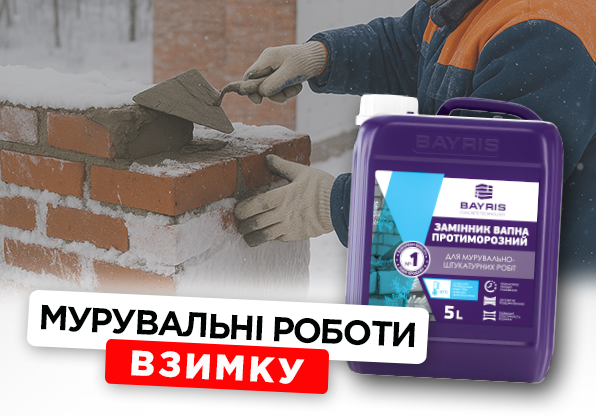
The use of chloride-free anti-freeze admixtures accelerates setting, prevents water from freezing and allows construction work to continue at temperatures down to –15 °C. Learn more about how admixtures work and the benefits they provide in our key article on winter concreting.
Conclusion:
Winter masonry work can be carried out safely if the correct procedures are followed, material temperatures are controlled and modern anti-freeze admixtures are used. This ensures reliable and durable masonry even in freezing conditions.
Product Video Overview