
Concreting in Freezing Temperatures: Safe Winter Concreting Guidelines
08.12.2025
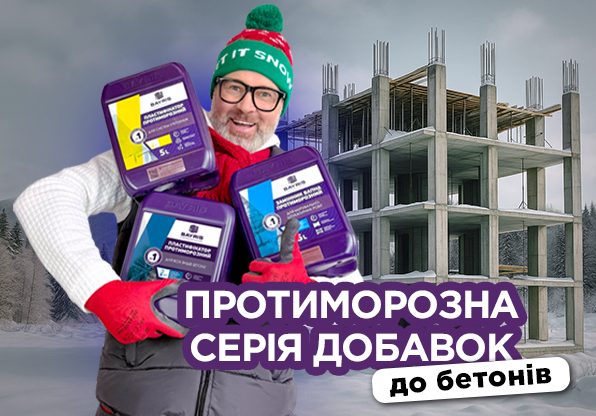
Many contractors wonder whether it is possible to pour concrete at temperatures of –5, –10 or even –15 °C. The answer is yes, but only if the correct anti-freeze admixtures are selected and the technology is followed strictly.
Why Frost Is Dangerous
At low temperatures, water in concrete freezes, stopping the cement hydration process. As a result, the concrete:
- does not achieve sufficient strength
- becomes brittle
- may lose density and crack resistance
Rules for Safe Concreting
- Minimum cement content: 270–300 kg per 1 m³.
- Do not use frozen aggregates.
- Use heated water; the temperature of the prepared mix should be ≥ 10 °C.
- Thoroughly remove snow and ice from formwork, reinforcement and shuttering.
- At temperatures < –5 °C, freshly placed concrete must be protected with insulation or heated using electric curing methods.
Optimal Concreting Conditions with Admixtures
- up to –5 °C — minimum admixture dosage;
- up to –10 °C — increased dosage and insulation required;
- up to –15 °C — only chloride-free anti-freeze admixtures should be used, together with strict temperature control of the mix.
Anti-freeze admixtures allow concrete to set even in severe frost, reduce water demand and increase strength.
For a detailed explanation of how these admixtures work, read our article on winter concreting.
Conclusion:
Concreting in freezing temperatures without special precautions is risky. Following the correct procedures and using anti-freeze admixtures helps ensure safe and high-quality results.